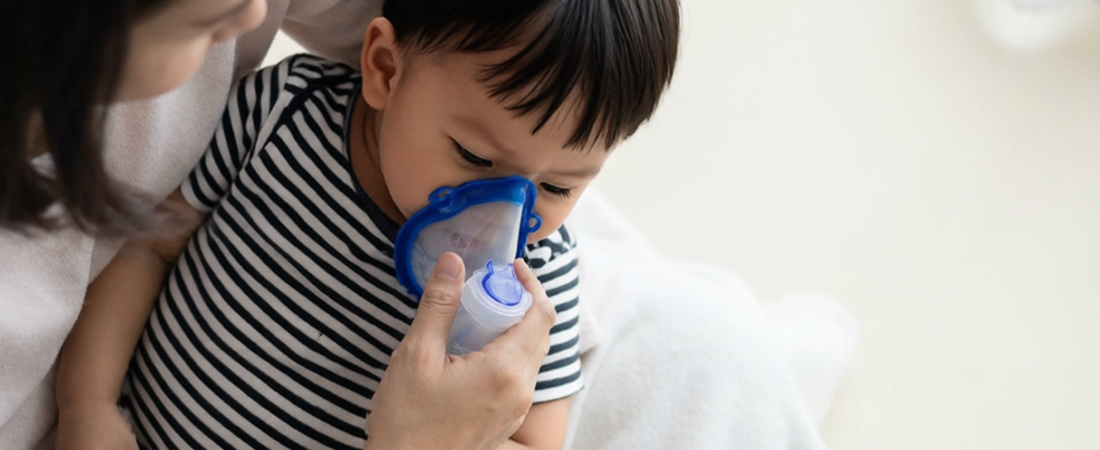
Thinking about homeopathy for children? This safety-first guide for parents covers when a child needs urgent care, what to discuss with a clinician, product and dosing safety, and how to monitor symptoms at home.
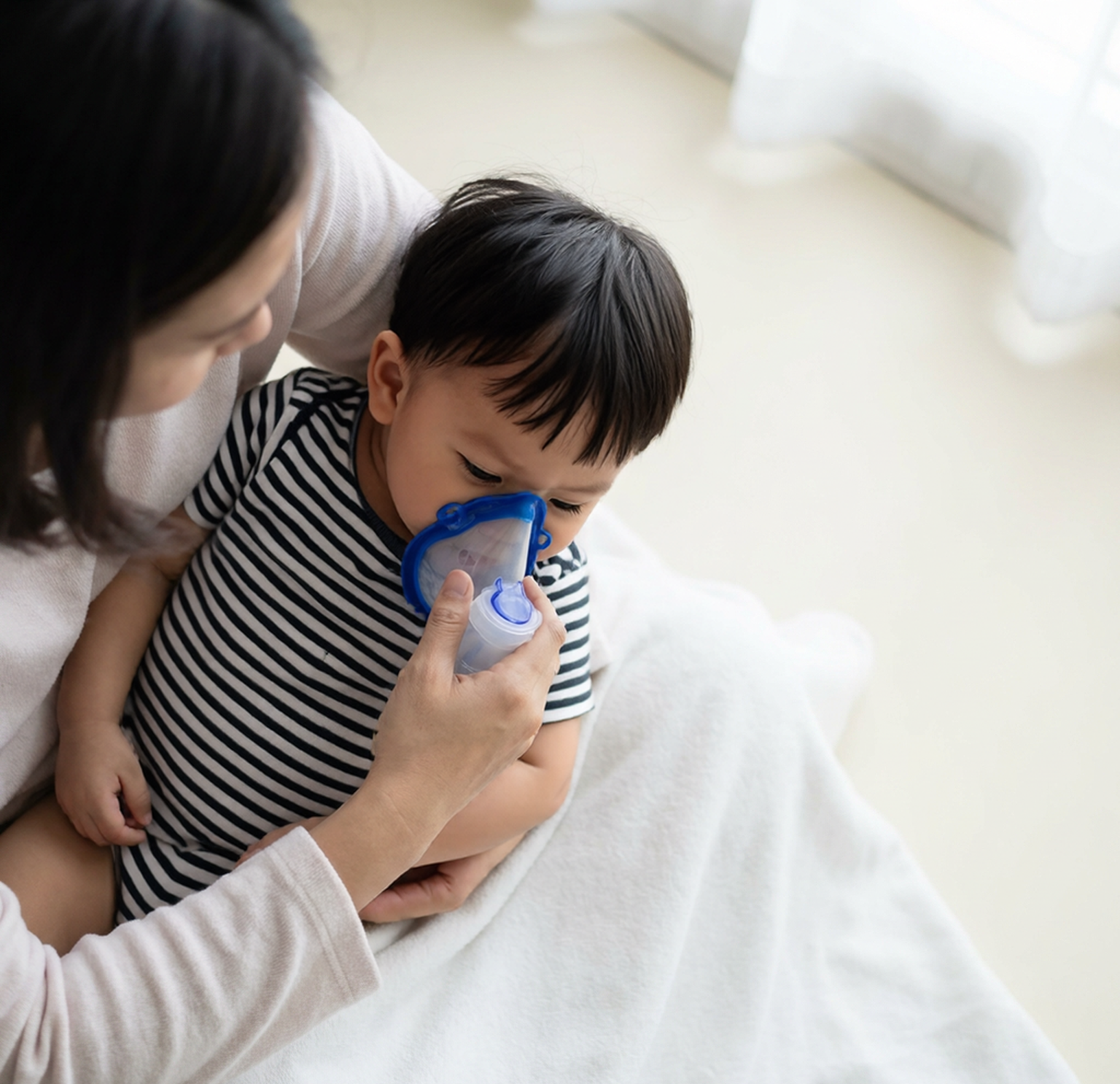
Parents naturally want safe and effective help when a child has recurring symptoms, discomfort, sleep difficulties, digestive concerns, skin changes, or frequent minor illnesses. Some families ask about homeopathy as a complementary approach. Because children can become unwell quickly and may not be able to describe symptoms clearly, safety, diagnosis, monitoring, and timely medical care must come first.
This guide is educational and does not recommend homeopathy as a replacement for paediatric care. Do not delay urgent treatment while trying any complementary product.
Why children need careful assessment
A child’s symptoms may have different causes from an adult’s symptoms. Fever, vomiting, cough, rash, tiredness, pain, poor appetite, or behavioural changes can result from minor illness, infection, allergy, dehydration, medication effects, developmental factors, or a more serious condition. Age, weight, medical history, vaccination status, and existing conditions affect what care is appropriate.
Young children may deteriorate before a parent can judge the severity. Babies, children with immune problems, and children with chronic conditions deserve particularly prompt professional assessment.
Urgent warning signs
Seek urgent medical help for breathing difficulty, blue or grey lips, severe allergic swelling, a seizure, unconsciousness, unusual difficulty waking, severe dehydration, a stiff neck, a rapidly spreading purple or non-blanching rash, severe abdominal pain, persistent vomiting, blood in vomit or stool, serious injury, or a rapidly worsening condition. For infants, seek advice promptly when fever, poor feeding, unusual sleepiness, or reduced wet nappies is present.
Do not rely on a homeopathic or other complementary product for an emergency. Contact local emergency services when symptoms are life-threatening.
Homeopathy for children: what to discuss with a clinician
- When did the symptoms begin and how have they changed?
- What is the child’s temperature, fluid intake, appetite, sleep, and urine output?
- What medicines, vitamins, supplements, or complementary products has the child taken?
- Does the child have allergies, asthma, diabetes, seizures, immune problems, or other conditions?
- What tests, monitoring, treatment, and follow-up are needed?
Bring product packaging or a photograph of the label to appointments. Accurate information helps a clinician identify possible interactions or ingredients.
Homeopathy for children: what the evidence says
Homeopathy is described as using highly diluted preparations selected according to an individual’s symptoms. For many conditions, high-quality evidence has not shown homeopathy to be more effective than placebo. A child may improve naturally or because of rest, fluids, reassurance, or another treatment used at the same time. Improvement after a product does not prove that the product caused it.
Parents should be cautious about claims that a product can replace antibiotics, vaccines, asthma treatment, insulin, seizure medicines, or specialist care. Stopping necessary treatment can expose a child to avoidable harm.
Homeopathy for children: product and dosing safety
Children are not small adults. Dose, concentration, alcohol content, sugar content, contamination, and ingredient accuracy all matter. Some products sold as complementary remedies may contain measurable active substances or ingredients not clearly understood by parents. “Natural,” “gentle,” and “diluted” do not automatically mean safe.
Use only products discussed with a qualified healthcare professional, follow reliable instructions, and store them safely away from children. Never use an adult product for a child unless a professional confirms it is appropriate.
Homeopathy for children: key points for parents
- Homeopathy for children should always begin with a proper assessment, and a paediatrician should check any worrying symptoms.
- Never delay urgent care: breathing difficulty, dehydration, high fever in infants, drowsiness or a rash that does not fade need immediate medical attention.
- Keep vaccinations and prescribed medicines on schedule; homeopathy for children is complementary, not a replacement.
- Children are seen with a parent present, online or in clinic.
Supporting everyday wellbeing
Healthy routines include age-appropriate nutrition, adequate fluids, sleep, physical activity, hand hygiene, dental care, emotional support, and recommended vaccinations. Regular health checks help identify developmental, vision, hearing, dental, and other concerns early.
For common symptoms, ask a clinician about safe comfort measures. Avoid giving children medicines or supplements based solely on internet recommendations, family anecdotes, or another child’s experience.

How to monitor symptoms
Keep a simple record of the symptom, severity, timing, triggers, temperature when relevant, food and fluids, sleep, medicines, and changes in behaviour. Set a review point with the clinician. If symptoms persist, worsen, return frequently, or interfere with school, sleep, eating, or play, arrange another assessment.
Choosing a practitioner for homeopathy for children
Ask about training, professional registration, the proposed product, evidence, expected benefits, risks, cost, and referral arrangements. A responsible practitioner should not discourage paediatric visits, vaccinations, prescribed medicines, or second opinions. Be cautious if anyone promises a guaranteed cure or says that conventional medical care is unnecessary.
Homeopathy for children: conclusion
Parents can ask respectful questions about complementary care while keeping the child’s safety at the centre. Obtain appropriate medical assessment, share full treatment information, continue recommended care, and seek urgent help when warning signs appear. Homeopathy should never be used to delay diagnosis or replace essential paediatric treatment.
Medical disclaimer: This article is general education only and is not a diagnosis, treatment plan, or substitute for advice from a paediatrician or other qualified healthcare professional.
Homeopathy for cough and common cold in children
Parents often search for homeopathy for cough, homeopathy for common cold or homeopathy for cold and cough in kids, especially when colds keep returning. A child homeopathy doctor will look at the pattern — how often colds happen, triggers such as weather, school or allergies, appetite, sleep and growth — before suggesting a plan. Never give over-the-counter remedies to infants without advice, and always seek urgent care for breathing difficulty, high fever, poor feeding or unusual drowsiness.
Related homeopathy guides and next steps
Want personal advice about homeopathy for children? Book an online homeopathy consultation with Dr. Shilpa Welukar (BHMS, 15+ years) or visit her homeopathy clinic in Palava, Dombivli. Consultations for children are done with a parent present, online or in clinic. Explore our consultation services, the concerns we support and more homeopathy guides. For official information on homeopathy in India, see the Ministry of AYUSH and the National Commission for Homoeopathy.